Search
Multi-channel/Multi-bandpass optical filter
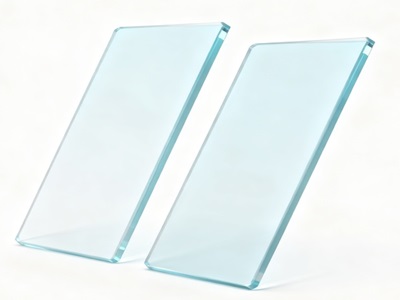
A multi-channel filter is a type of filter that can transmit multiple spectral bands at the same time, usually used in applications like multispectral imaging or multi-band detection. It can extract different spectral information across various wavelength ranges, allowing for multi-band analysis of target objects. Multi-channel filters are widely used in fields like remote sensing, sensors, and biomedical applications.
Products
- Product Introduction
- 1. Definition: Any bandpass filter with more than one channel can be called a multi-channel filter (multi-bandpass filter, multispectral filter).
- 2. Naming: Based on the number of channels, it can be divided into dual-channel (2 channels), three-channel, four-channel, five-channel, ... up to 12 channels; based on usage, it can be divided into multi-channel fluorescence detection filters, multispectral imaging filters, spatial remote sensing detection filters, etc.
- 3. Key Parameters: Center wavelengths λ1, λ2, λ3, ... λn
- Passband widths FWHM1, FWHM2, ... FWHMn
- Background depth Blocking and cutoff bandwidths range1, 2, ... rangen
- Slope: used to describe the width of the transition region between the passband and the stopband.
- Process route:
- a. Millimeter-level multi-channel filters can be made by combining several small-sized filters to create a multi-channel filter.
- b. Submillimeter-level multi-channel filters are coated on the same substrate using metal masks or photolithography masks, allowing for multi-channel filter signal detection.
- c. Micron- and nanometer-scale multi-channel optical filters allow multiple signals to pass through the same substrate thanks to special film system designs and coating processes.
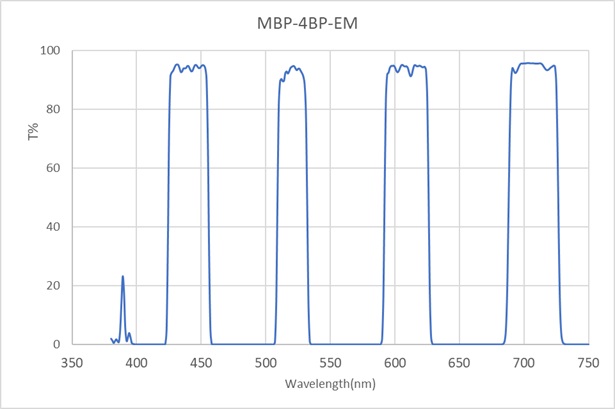
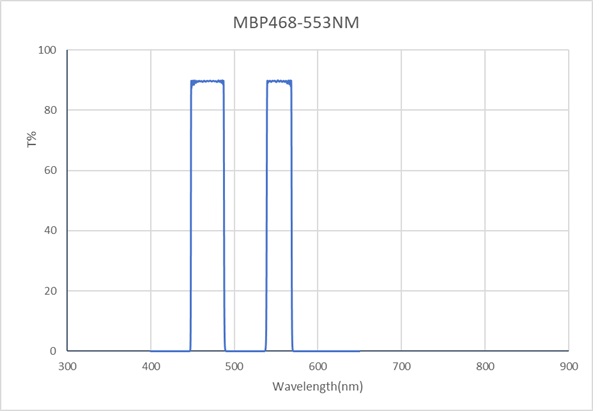
- Maxoptics.cn has developed multi-channel optical filters that are hard-coated, with a dense and stable film structure. With optimized design, they can achieve high transmission in 2-3 channels, and at most support designs that transmit through 4 channels simultaneously. We can customize parameters like central wavelength, bandwidth, and cutoff depth according to customer needs. The sample preparation time is short, allowing for quick responses to customer requests.
- If you need to detect weak fluorescent signals and also require imaging, you need to reduce wavefront distortion, improve surface accuracy, and avoid blurry imaging.
-
-
- coating process
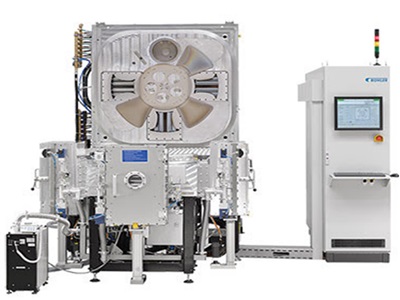
- Maxoptics.cn offers various bandpass filters for visible (Vis) and short-wave infrared (SWIR) light, using ion-assisted/ion sputtering coating technology. The film layers are dense and provide accurate wavelength positioning, high signal-to-noise ratio, and good environmental stability. The central wavelength, transmittance, and full width at half maximum can all be customized according to user needs. Filter sizes are available in square or round shapes (with a black metal rim for protection), and you can choose freely.
-