Search
Search
Machine vision integrates multidisciplinary technologies such as optical imaging, image acquisition, and algorithm software to replace the human eye in performing measurement, recognition, inspection, and positioning. In the process of optical image acquisition, filters play an important role: as the core optical component for spectral selection, they directly determine the image signal-to-noise ratio, contrast, interference suppression, and imaging accuracy, and are key components for cost-effectively improving the stability of visual inspection.

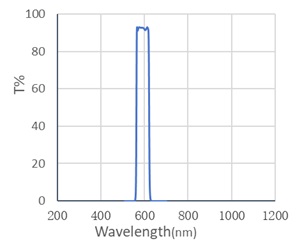
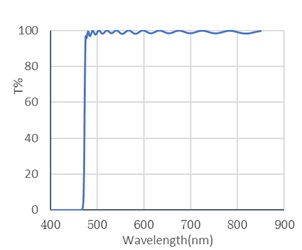
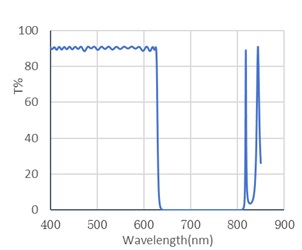
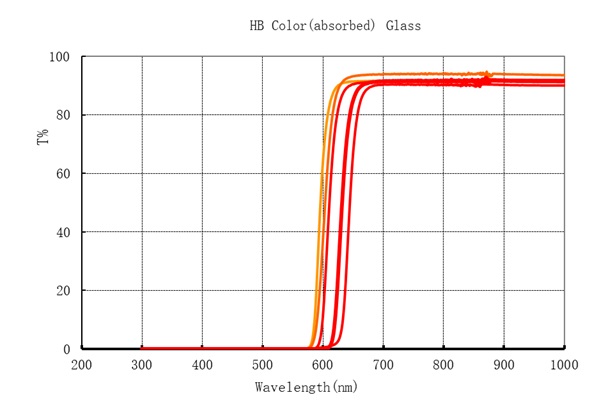
Machine vision filters selectively transmit/block specific wavelengths of light, suppress ambient stray light, and improve the signal-to-noise ratio; they enhance the contrast between the target and the background by taking advantage of the spectral differences between them, while also eliminating optical interference and avoiding imaging defects; this allows the camera sensor to capture cleaner, usable images and reduces the difficulty of algorithm recognition.
Introduction to Machine Vision Use Cases and Core Functions:
High-precision standardized inspection, replacing manual quality checks; precise positioning guidance, enabling automated grabbing/assembly; measurement and dimensional control, full-process quality closed loop; identification, traceability, and sorting, digital production management.
3C electronics industry, new energy lithium batteries/photovoltaics, automotive and parts manufacturing, as well as food and pharmaceutical packaging inspection, etc.