Search
Optical filter in life sciences
Optical detection equipment in the field of biomedical science interacts with biological samples and light emitted from a light source to extract corresponding signals such as fluorescence, scattering, absorption, and chemiluminescence for photoelectric conversion; clinical indicators such as concentration, count, and molecular characteristics are calculated based on the corresponding physical models. The core function of filters is spectral selection, separating excitation light, background stray light, and target signals, suppressing noise, and improving the signal-to-noise ratio. They are the core components of various optical diagnostic instruments.
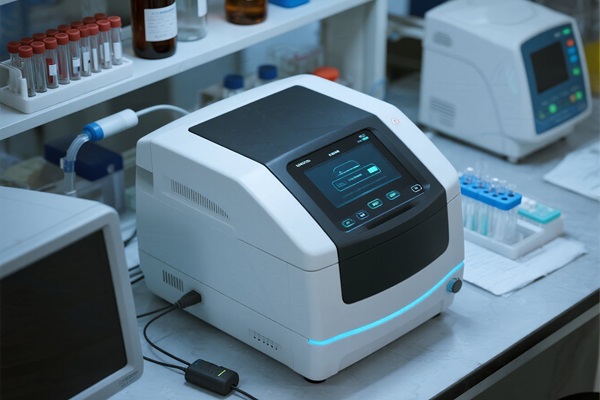
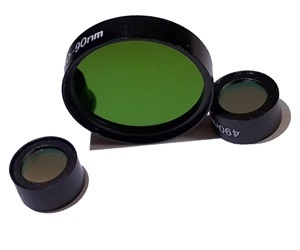
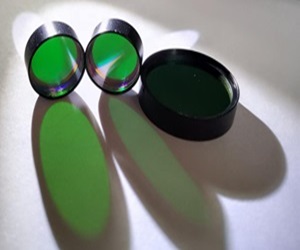
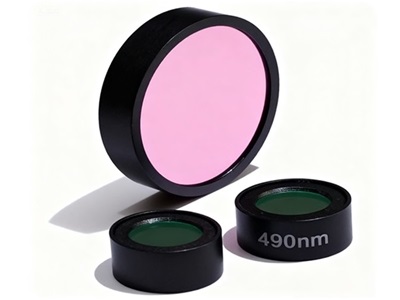
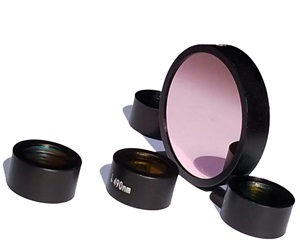
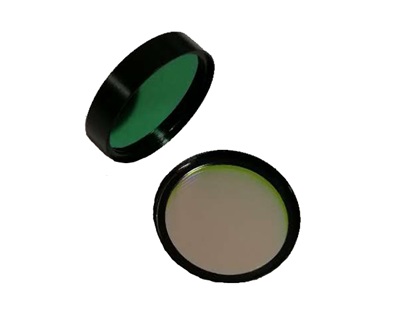
1. Absorption Spectroscopy. Its working principle is based on the Lambert-Beer law. Typical applications include biochemical analyzers and microplate readers. The BCF series of microplate reader filters are specially designed for mainstream biochemical analyzers and microplate readers both domestically and internationally, precisely matching equipment requirements. They use Ion-Assisted Deposition (IAD) technology, resulting in dense coating layers that are resistant to humidity and heat, and anti-interference, effectively ensuring the accuracy and stability of biochemical tests, reducing measurement errors, and suitable for various clinical testing and biological research scenarios.
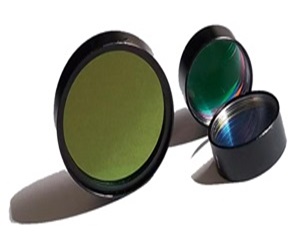
2. Photoluminescence method. The working principle is based on photoluminescence and Stokes shift; the excitation light source irradiates the fluorescent marker, which emits fluorescence at a longer wavelength; excitation light and emitted fluorescence are separated through filters. Typical applications include fluorescence microscopy, quantitative fluorescence PCR instruments, flow cytometers, etc. It is used for clinical detection of infectious diseases, hormones, tumor markers, and cardiac markers; fluorescence staining observation of cytopathology, microorganisms, and tissue sections; nucleic acid detection, pathogens (viruses/bacteria), gene quantification, and tumor liquid biopsy, etc.
Typical application scenarios: Fluorescence signal detection in the biomedical field (fluorescence microscope, flow cytometer, PCR, biochemical analyzer); Spectroscopic analysis applications (Raman spectroscopy, infrared spectroscopy, ultraviolet spectroscopy, etc.); Chemiluminescence applications (chemiluminescence immunoassay analyzer, etc.).